

Feeling drained, sluggish, or constantly fighting off minor illnesses? You’re not alone. Many health-conscious individuals struggle to find natural solutions that genuinely support immunity, liver health, and inflammation control without relying on synthetic supplements. Herbal teas offer a scientifically backed pathway to nourish your body naturally, delivering powerful compounds that support detoxification, strengthen immune defenses, and reduce chronic inflammation. This guide reveals how to select, prepare, and integrate herbal teas into your daily routine for maximum wellness benefits, backed by expert research and practical strategies you can start using today.
Table of Contents
- Understanding Herbal Teas And Their Health Benefits
- Preparing Herbal Teas For Optimal Nourishment
- Incorporating Herbal Teas Into Your Daily Wellness Routine
- Monitoring Effects And Adjusting Your Herbal Tea Intake
- Explore Natural Herbal Solutions At Finer Holistics
- Frequently Asked Questions
Key takeaways
| Point | Details |
|---|---|
| Herbal teas boost immunity and liver function | Research shows specific herbal blends modulate immune responses and support liver repair through active compounds. |
| Preparation method impacts potency | Steeping at 100°C for 5-15 minutes extracts maximum antioxidants and beneficial polyphenols from herbs. |
| Safe dosage prevents adverse effects | Most adults tolerate 1-3 cups daily, but excessive intake risks herb-specific side effects and medication interactions. |
| Quality verification ensures effectiveness | Reputable brands disclose botanical names, plant parts used, and serving sizes for transparency and safety. |
| Personalization maximizes benefits | Tailoring herb choices to individual health status, medications, and seasonal needs optimizes nourishment outcomes. |
Understanding herbal teas and their health benefits
Herbal teas differ fundamentally from traditional black or green teas because they come from flowers, roots, leaves, and bark of medicinal plants rather than Camellia sinensis. These botanical infusions deliver concentrated phytochemicals that interact with your body’s immune and inflammatory pathways. Unlike caffeinated teas, herbal varieties offer targeted wellness support without stimulant effects.
Key herbs have earned scientific validation for specific health benefits. Sang Zhu Yang Zheng tea modulates immunity and supports respiratory health through compounds that enhance immune cell activity. For inflammation control, Jing Si tea reduces inflammatory markers in patients with chronic respiratory conditions by targeting key cytokines. These aren’t just traditional remedies but scientifically documented interventions.
Your immune system relies on complex signaling between cells to identify and neutralize threats. Herbal compounds like polysaccharides, flavonoids, and terpenoids modulate this communication, enhancing your body’s natural defenses without overstimulating responses. Similarly, liver-supporting herbs contain antioxidants that protect hepatocytes from oxidative stress while promoting detoxification enzyme activity.
Common beneficial herbs include:
- Echinacea for immune activation and infection resistance
- Milk thistle for liver cell regeneration and toxin protection
- Turmeric for powerful anti-inflammatory effects through curcumin
- Ginger for digestive support and inflammation reduction
- Dandelion root for liver detoxification and bile production
- Chamomile for stress reduction and gentle anti-inflammatory action
Consider exploring herbal immune boosters formulated specifically for strengthening your body’s natural defenses.
Clinical trials demonstrate that specific herbal tea formulations can reduce inflammatory markers by up to 40% in patients with chronic conditions, offering a natural complement to conventional treatments.
Pro Tip: Always verify the botanical Latin name of herbs in your tea. Common names vary regionally, but botanical names ensure you’re getting the exact plant with documented benefits.
Preparing herbal teas for optimal nourishment
Proper preparation unlocks the full therapeutic potential of herbal teas. Follow these steps to maximize compound extraction and effectiveness:
- Select quality herbs from reputable sources that list botanical names and harvest dates
- Use filtered water heated to 100°C for most herbs to extract heat-stable compounds
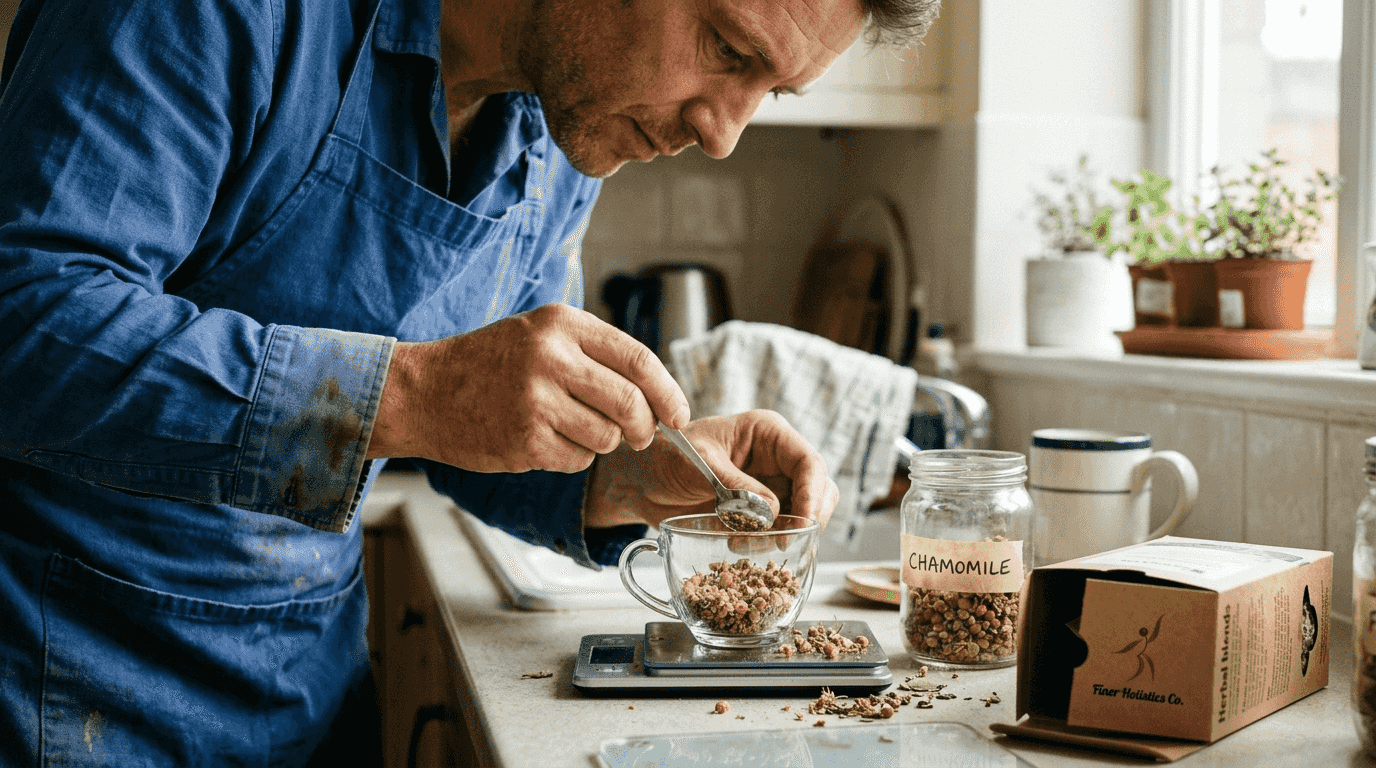
- Measure 1-2 teaspoons of dried herbs per 8 ounces of water for standard potency
- Steep for 5-15 minutes to efficiently extract antioxidants and polyphenols
- Strain thoroughly and consume within 30 minutes for peak freshness
- Store unused dried herbs in airtight containers away from light and moisture
Dosage matters significantly for safety and effectiveness. Safe intake ranges from 1-3 cups daily for most healthy adults, but this varies by herb strength and individual tolerance. Exceeding recommended amounts doesn’t accelerate benefits but increases risks of adverse effects like digestive upset, electrolyte imbalance, or herb-specific toxicity.
Safety considerations require attention, especially if you take medications or have health conditions. Some herbs interact with blood thinners, diabetes medications, or blood pressure drugs by affecting how your liver metabolizes these compounds. Pregnant individuals need extra caution, as certain herbs can stimulate uterine contractions or affect fetal development.
Pro Tip: Check ingredient transparency by looking for products that specify the percentage of each herb in blends. Proprietary blends without disclosed amounts make it impossible to verify safe dosing.
Common preparation mistakes that reduce potency include:
- Using water below boiling temperature for roots and bark
- Steeping delicate flowers longer than 5 minutes, causing bitterness
- Reusing herbs multiple times until compounds are depleted
- Storing brewed tea for days, allowing beneficial compounds to degrade
- Mixing too many herbs without understanding potential interactions
For comprehensive guidance on supporting your body’s natural detoxification processes, explore this liver detoxification guide that complements herbal tea protocols.
Incorporating herbal teas into your daily wellness routine
Timing your herbal tea consumption strategically enhances specific benefits throughout your day:
- Morning: energizing herbs like ginger or peppermint to support digestion and mental clarity
- Midday: immune-supporting blends to maintain defenses during peak activity hours
- Afternoon: liver-supporting herbs like dandelion to aid natural detoxification cycles
- Evening: calming herbs such as chamomile or lemon balm to promote relaxation and sleep quality
- Post-meal: digestive herbs to reduce bloating and support nutrient absorption
Different herbal teas target specific wellness goals with unique active compounds:
| Herbal Tea Type | Primary Active Ingredients | Key Health Effects | Best Timing |
|---|---|---|---|
| Echinacea blend | Alkylamides, polysaccharides | Immune activation, infection resistance | Morning, early afternoon |
| Milk thistle tea | Silymarin, flavonolignans | Liver cell protection, detox enzyme support | Afternoon |
| Turmeric ginger | Curcumin, gingerols | Inflammation reduction, digestive support | Post-meal, evening |
| Chamomile lavender | Apigenin, linalool | Stress reduction, sleep promotion | Evening before bed |
| Dandelion root | Taraxasterol, inulin | Liver detox, bile production | Midday, afternoon |
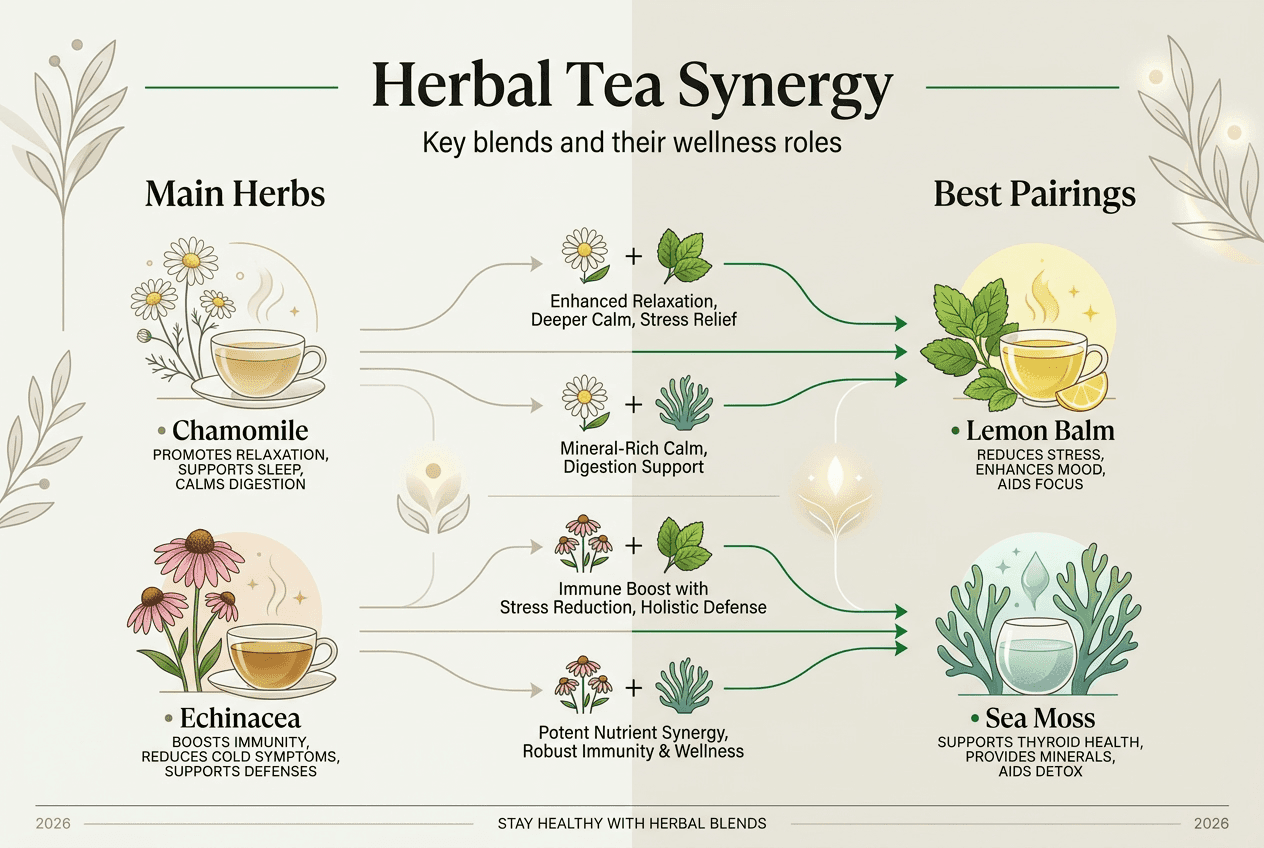
Combining herbs strategically creates synergistic effects that amplify individual benefits. Blue-green algae with herbal ingredients shows enhanced liver repair and immune regulation compared to single herbs alone. However, start with individual herbs to assess tolerance before creating complex blends.
Pro Tip: Personalize your herbal choices based on seasonal needs. Use warming herbs like ginger and cinnamon during cold months for circulation support, and cooling herbs like peppermint and hibiscus during summer for hydration and heat management.
Integration strategies for sustained nourishment include:
- Establishing a consistent morning ritual with your chosen immune-supporting blend
- Preparing larger batches and refrigerating for up to 24 hours to save time
- Rotating between 3-4 different herbal teas weekly to provide diverse phytochemicals
- Tracking your energy levels and digestive comfort to identify most beneficial herbs
- Adjusting strength by varying steep time rather than adding excessive herb amounts
Explore specialized herbal tea blends with sea moss and bladderwrack that combine traditional herbs with mineral-rich sea vegetables for comprehensive nourishment.
Monitoring effects and adjusting your herbal tea intake
Verifying benefits and catching potential issues early requires systematic observation. Use this checklist to monitor your response:
- Track energy levels and mental clarity changes within the first week
- Note digestive improvements or discomfort after consuming specific herbs
- Monitor immune resilience by observing frequency of minor illnesses
- Watch for skin changes, as some herbs affect complexion and inflammation
- Record sleep quality shifts when using evening calming blends
- Check for allergic reactions like itching, rashes, or respiratory symptoms
- Assess medication effectiveness if combining herbs with prescriptions
Understanding safe doses and potential interactions prevents complications:
| Common Herb | Typical Safe Daily Dose | Potential Side Effects | Known Interactions |
|---|---|---|---|
| Echinacea | 1-2 cups (3-4g dried) | Mild digestive upset, rare allergic reactions | Immunosuppressants, autoimmune medications |
| Milk thistle | 1-3 cups (12-15g dried) | Loose stools, rare liver enzyme changes | Diabetes drugs, blood thinners |
| Ginger | 2-3 cups (4-6g dried) | Heartburn, blood thinning at high doses | Anticoagulants, diabetes medications |
| Chamomile | 2-4 cups (8-12g dried) | Drowsiness, rare allergic reactions | Sedatives, blood thinners |
| Dandelion | 1-2 cups (4-10g dried) | Increased urination, potassium changes | Diuretics, lithium, antibiotics |
Excessive intake risks vary significantly depending on herb potency and individual liver function. Some herbs cause stress to hepatocytes when consumed in large amounts, while others interact with cytochrome P450 enzymes that metabolize medications.
Healthcare consultation becomes essential when:
- You take prescription medications regularly, especially for chronic conditions
- You’re pregnant, planning pregnancy, or breastfeeding
- You have liver or kidney disease that affects herb metabolism
- You experience unexpected symptoms after starting herbal teas
- You plan to use herbs therapeutically rather than occasionally
Individual responses to herbal compounds vary based on genetics, gut microbiome composition, and existing health conditions. What works optimally for one person may require adjustment for another, making personalized approaches and professional guidance invaluable.
Pregnancy requires cautious limits, with guidelines recommending no more than 1-2 cups daily and complete avoidance of strong root and bark teas during the first trimester when fetal development is most vulnerable.
Adjustment strategies based on individual response:
- Reduce serving size by half if experiencing mild digestive discomfort
- Switch to a different herb in the same category if benefits plateau
- Increase steep time gradually rather than adding more herb material
- Take breaks every 2-3 months to prevent tolerance development
- Combine herbs with complementary actions for enhanced effects
For targeted digestive support that complements your herbal tea routine, consider specialized formulations like herbal tea for digestion support designed to work synergistically with your wellness protocol.
Explore natural herbal solutions at Finer Holistics
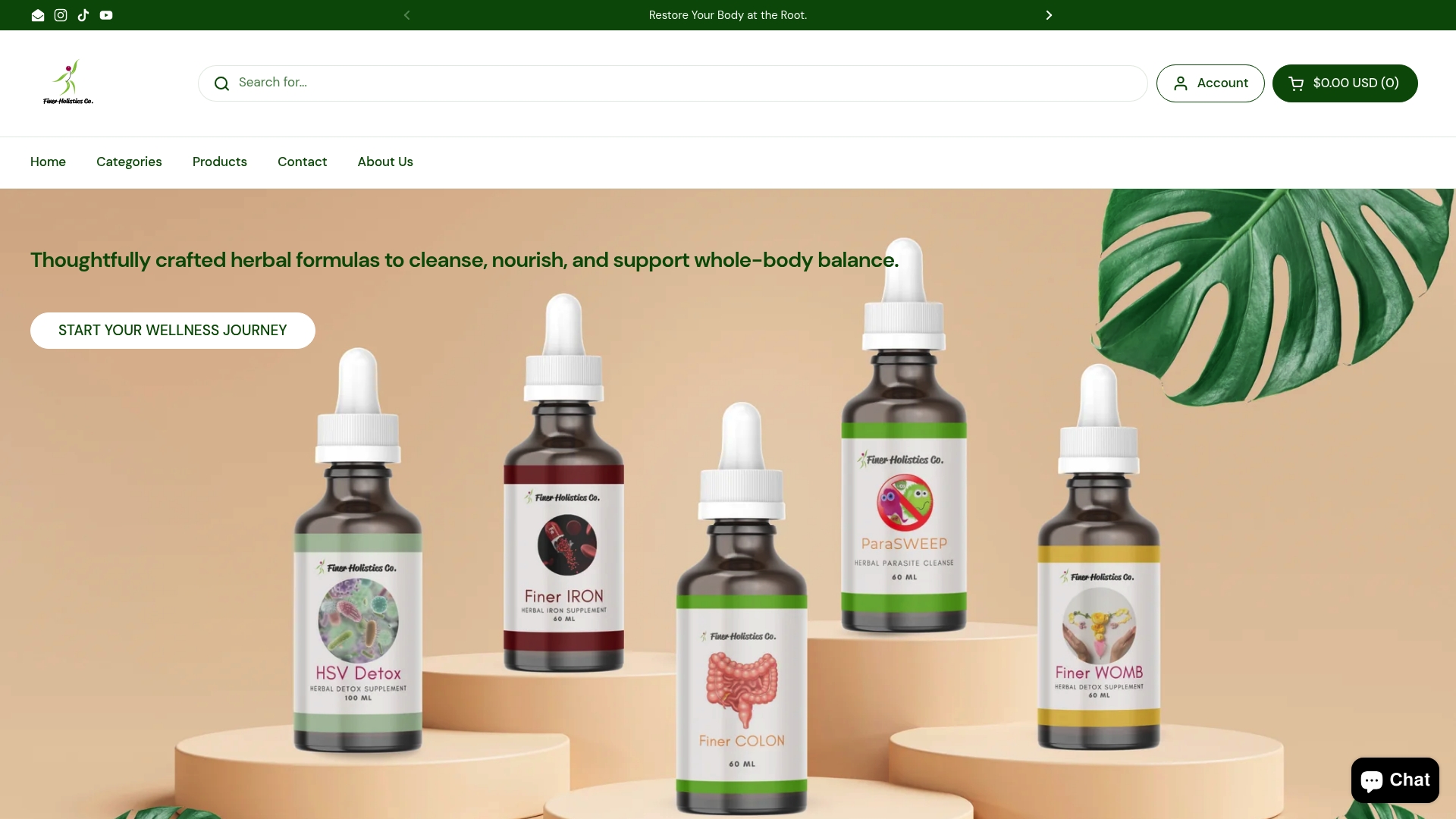
Now that you understand how to nourish your body with herbal teas safely and effectively, finding quality products becomes your next step. Finer Holistics offers expertly crafted herbal teas designed specifically for digestion, immunity, and detoxification using natural ingredients backed by traditional wisdom and modern research.
Every product undergoes careful formulation to ensure optimal potency and safety, with transparent ingredient lists that include botanical names and recommended serving sizes. Whether you need digestive support, immune strengthening, or comprehensive detoxification, these curated solutions integrate seamlessly into the protocols outlined in this guide.
Explore these targeted herbal solutions:
- Finer Digest herbal tea for comprehensive digestive wellness and comfort
- Finer Immune herbal booster to strengthen natural defenses year-round
- Herbal detox remedies supporting liver function and whole-body cleansing
Incorporating trusted herbal solutions as part of your wellness journey ensures you receive consistent quality and therapeutic compounds that deliver the nourishment your body deserves.
Frequently asked questions
How much herbal tea is safe to drink daily?
Most healthy adults tolerate 1-3 cups daily without adverse effects, but this varies by herb potency and individual health status. Exceeding this range increases risk of side effects like digestive upset, electrolyte imbalances, or interactions with medications. Start with one cup daily and gradually increase while monitoring your body’s response to find your optimal intake level.
Can herbal teas interact with medications?
Yes, herbal teas can interact with blood thinners, diabetes medications, and blood pressure drugs by affecting how your liver metabolizes these compounds. Some herbs enhance or reduce medication effectiveness, creating potentially dangerous situations. Always consult your healthcare provider before combining herbal teas with prescription medications, and inform them about all herbs you consume regularly.
Are herbal teas safe during pregnancy?
UK guidelines recommend limiting intake to 1-2 cups daily during pregnancy and avoiding strong root and bark teas entirely during the first trimester. Certain herbs can stimulate uterine contractions or affect fetal development, making caution essential. Stick to gentle herbs like ginger for nausea and chamomile for relaxation, and always verify safety with your obstetrician before consuming any herbal products.
How do I choose quality herbal teas?
Reputable brands list botanical names, plant parts used, and specific serving sizes on their packaging for transparency. Be cautious with proprietary blends that don’t disclose individual herb amounts, as this makes verifying safe dosage impossible. Look for organic certification, third-party testing for contaminants, and harvest date information to ensure freshness and potency of the herbs you consume.
Recommended
- How to detox naturally: safe steps for wellness in 2026
- How to detox naturally: safe steps for wellness in 2026 – Finer Holistics Co.
- Natural detox checklist: 7 holistic herbal strategies
- Finer Digest™ | Herbal Digestion Support Tea for Bloating, Gut Health & Comfort – Finer Holistics Co.
- Herbal Supplements for Singers: Vocal Health Impact - TMRG Solutions
- Examples of metabolic markers to optimize hea… | Biostarks


Comments (0)
There are no comments for this article. Be the first one to leave a message!