

Starting an herbal wellness routine feels overwhelming when you’re faced with countless herbs, conflicting advice, and uncertainty about where to begin. You want natural solutions that truly support your health, but the abundance of information makes it hard to know which steps actually matter. This guide cuts through the confusion with evidence-based steps to build a sustainable herbal routine that fits your lifestyle. You’ll learn exactly how to prepare, execute, and monitor your herbal wellness journey with confidence and clarity.
Table of Contents
- Preparing For Your Herbal Wellness Routine
- Executing Your Herbal Wellness Routine: Step-By-Step Guide
- Monitoring Progress And Troubleshooting Your Herbal Routine
- Explore Herbal Remedies And Natural Detoxes At Finer Holistics
- What Are The Essential Herbs To Start With In A Wellness Routine?
- How Long Does It Take To Notice Benefits From An Herbal Wellness Routine?
- Are There Any Risks Or Side Effects I Should Watch For?
- Can I Combine Multiple Herbs In One Routine?
Key takeaways
| Point | Details |
|---|---|
| Foundation matters | Understanding herb properties and your health needs ensures safe, effective use |
| Step-by-step execution | Daily integration of herbs through proper preparation methods maximizes benefits |
| Monitor and adjust | Tracking wellness indicators helps optimize your routine over time |
| Quality sources | Using credible herbal products and information supports long-term success |
Preparing for your herbal wellness routine
Building a successful herbal wellness routine starts with solid preparation. You need foundational knowledge about herbs, a clear understanding of your health goals, and the right tools to integrate herbs into daily life.
Start by learning key herbal ingredients and their specific wellness benefits. Chamomile supports relaxation and digestive health, while ginger offers anti-inflammatory properties and nausea relief. Turmeric provides powerful antioxidant support, and peppermint aids digestion and respiratory function. Understanding these core herbs gives you a practical starting point without overwhelming yourself with hundreds of options.
Assess your personal health goals before selecting herbs. Are you seeking better digestion, improved sleep, enhanced immunity, or natural detox support? Your specific wellness objectives should guide herb selection. Consider any medications you take or health conditions you manage, as some herbs interact with pharmaceuticals or may not suit certain health profiles. Consulting a healthcare provider or certified herbalist ensures your routine aligns with your individual needs.
Gather essential tools for herbal preparation. You’ll need a quality teapot or infuser for brewing herbal teas, glass jars for storage, measuring spoons for precise dosing, and a journal to track your progress. Invest in organic, sustainably sourced herbs from reputable suppliers to ensure purity and potency. Quality matters significantly when herbs form the foundation of your wellness routine.
Understand credible sources of herbal information and safety guidelines. The review is part of a larger effort to update the evidence base for natural therapies, highlighting the importance of evidence-backed approaches. Reliable herbal education comes from certified herbalists, peer-reviewed research, and established wellness organizations. Avoid anecdotal advice from unverified online sources that may promote unsafe practices.
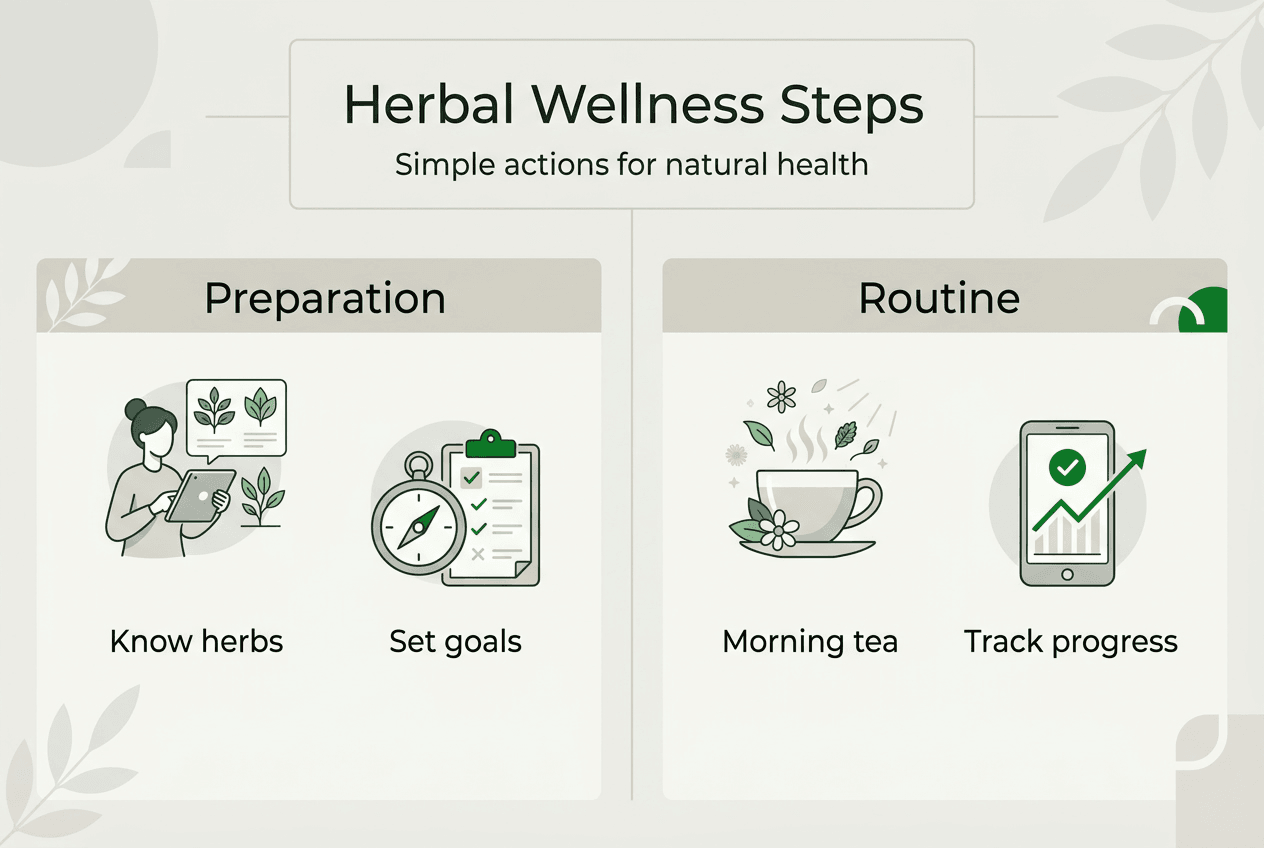
Create a dedicated space for your herbal wellness practice. This could be a corner of your kitchen with organized herb storage, your brewing equipment, and reference materials. Having a designated area makes daily practice more accessible and sustainable. When your tools and herbs are readily available, you’re more likely to maintain consistency.
Pro Tip: Start your herbal journey by mastering one or two herbs thoroughly before expanding your routine. This focused approach helps you understand how your body responds and builds confidence in herbal preparation methods.
Essential herbs for beginners:
- Chamomile for relaxation and digestive support
- Ginger for inflammation and nausea relief
- Peppermint for digestive health and mental clarity
- Turmeric for antioxidant and anti-inflammatory benefits
- Echinacea for immune system support
| Herb | Primary Benefits | Best Preparation Method |
|---|---|---|
| Chamomile | Sleep, digestion, anxiety relief | Hot infusion, 5-10 minutes |
| Ginger | Inflammation, nausea, circulation | Decoction or fresh in tea |
| Peppermint | Digestion, headaches, energy | Hot or cold infusion |
| Turmeric | Inflammation, antioxidant support | Golden milk, capsules, cooking |
Before diving into daily practice, familiarize yourself with safe detox steps and review a healthy lifestyle checklist to ensure your herbal routine complements broader wellness habits. Preparation sets the stage for sustainable success in natural health.
Executing your herbal wellness routine: step-by-step guide
Once you’ve prepared your foundation, executing your herbal wellness routine becomes a matter of consistent daily practice. The key lies in proper preparation methods, strategic timing, and seamless integration into your existing lifestyle.
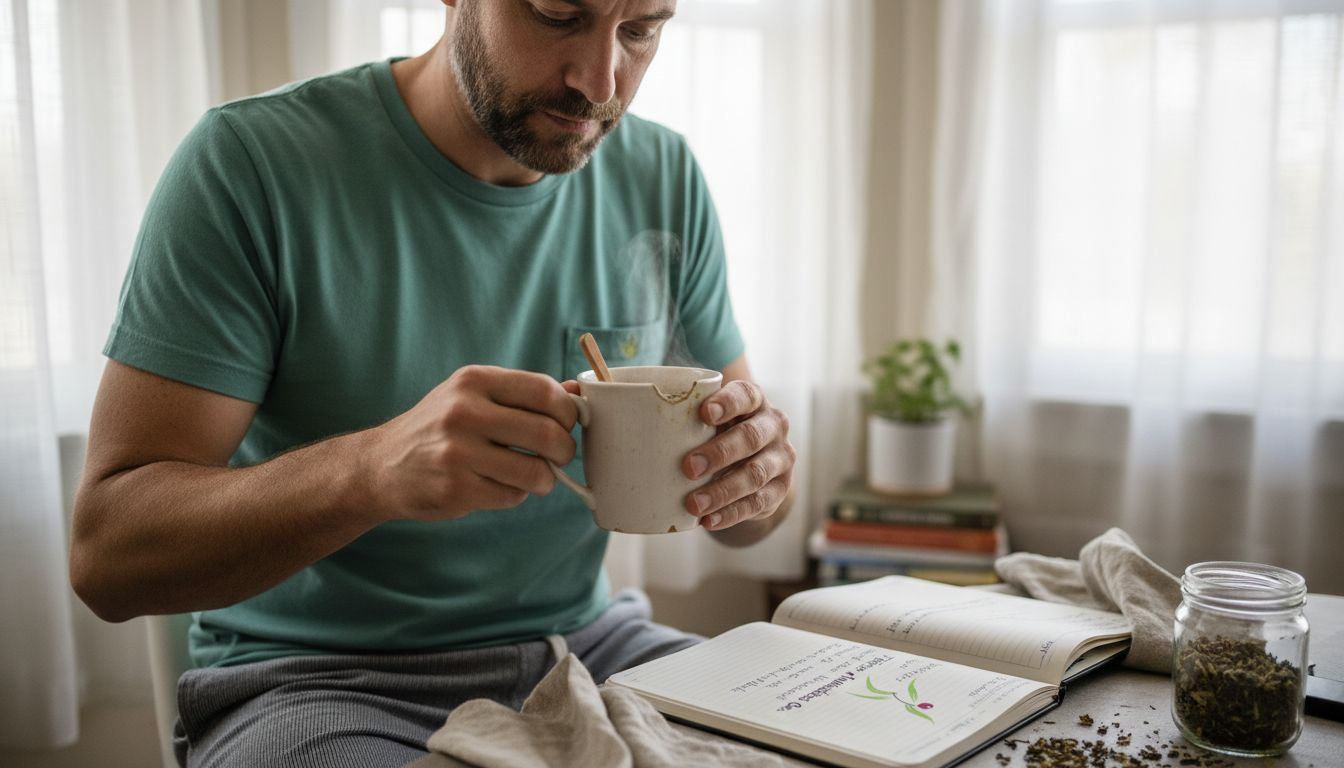
Begin your morning with a gentle herbal infusion that supports your wellness goals. If you seek digestive support, brew a cup of peppermint or ginger tea 20 minutes before breakfast. For immune support, start with echinacea or elderberry. Infusions require pouring hot water over herbs and steeping for 5 to 10 minutes, allowing beneficial compounds to extract into the water. Cover your cup while steeping to prevent volatile oils from escaping.
Mid-morning offers an ideal time for tinctures, which provide concentrated herbal benefits in small doses. Place the recommended drops under your tongue and hold for 30 seconds before swallowing. This sublingual method allows faster absorption into your bloodstream. Tinctures work exceptionally well for adaptogens like ashwagandha or rhodiola, which help your body manage stress throughout the day.
The protocol for the evidence evaluation received approval from the NHMRC NTWC in 2020, supporting credibility in natural therapy approaches. Following evidence-based protocols ensures your routine aligns with validated wellness practices.
Afternoon herbal breaks prevent energy crashes and support sustained vitality. Choose herbs based on your needs: green tea or yerba mate for gentle energy, holy basil for stress management, or nettle for nutrient support. Prepare decoctions for tougher plant materials like roots and barks by simmering them in water for 20 to 30 minutes. This longer extraction pulls out deeper medicinal compounds that simple steeping cannot access.
Integrate herbs into meals for sustained benefits throughout the day. Add fresh turmeric and black pepper to smoothies, soups, or rice dishes. Sprinkle dried herbs like oregano, thyme, and rosemary onto vegetables and proteins. These culinary herbs provide antioxidants and support digestion while enhancing flavor. Cooking with herbs makes wellness feel less like a chore and more like nourishing enjoyment.
Evening routines benefit from calming herbs that prepare your body for restorative sleep. Chamomile, passionflower, and valerian root promote relaxation when consumed 30 to 60 minutes before bed. Brew a strong infusion and sip slowly while winding down from your day. Pairing herbal tea with a consistent bedtime ritual signals to your body that rest is approaching.
Pro Tip: Keep a prepared herbal blend in your workspace or bag for convenient brewing throughout the day. Pre-mixed combinations save time and ensure you never skip your routine due to busy schedules.
Daily herbal wellness routine:
- Morning: Digestive or immune-supporting tea 20 minutes before breakfast
- Mid-morning: Adaptogenic tincture for stress management
- Afternoon: Energy or nutrient-supporting herbal infusion
- Meals: Incorporate culinary herbs into cooking
- Evening: Calming tea 30-60 minutes before bed
- Weekly: Prepare herbal blends and tinctures for the week ahead
Timing matters significantly for herbal absorption and effectiveness. Take digestive herbs before meals, adaptogens in the morning or early afternoon, and calming herbs in the evening. Avoid stimulating herbs like green tea or yerba mate after 3 PM if you’re sensitive to caffeine. Consistency trumps perfection, so aim for daily practice even if timing isn’t always ideal.
Explore herbal teas guidance for deeper preparation techniques, and consider quality formulations like herbal digestion support tea that combine multiple beneficial herbs in precise ratios. Pre-formulated blends eliminate guesswork while delivering synergistic benefits.
Monitoring progress and troubleshooting your herbal routine
Tracking your wellness journey helps you understand what works, identify what doesn’t, and make informed adjustments. Effective monitoring transforms your herbal routine from hopeful experimentation into a personalized wellness system.
Start a wellness journal to record daily observations. Note which herbs you take, dosages, timing, and any physical or emotional changes you notice. Track sleep quality, energy levels, digestion, mood, and any symptoms you’re addressing. Patterns emerge over weeks that reveal how specific herbs affect your unique body chemistry. This data becomes invaluable when fine-tuning your routine.
Recognize positive indicators that your herbal routine is working. Improved sleep quality, more stable energy throughout the day, better digestion, reduced inflammation, and enhanced mental clarity all signal beneficial effects. Most people notice subtle improvements within 2 to 4 weeks of consistent use, with more pronounced benefits developing over 2 to 3 months. Patience matters because herbs work gently with your body’s natural processes rather than forcing rapid changes.
Watch for adverse reactions that require immediate attention. Digestive upset, skin rashes, headaches, or worsening of existing symptoms indicate that a particular herb may not suit you. Some people experience initial detox symptoms like mild fatigue or breakouts as their body eliminates toxins, but these should resolve within a week. If symptoms persist or intensify, discontinue the problematic herb and consult a healthcare professional.
The report was approved by the NHMRC Natural Therapies Working Committee in 2023, reinforcing evidence quality in natural therapy evaluations. Following evidence-based monitoring practices ensures your routine remains safe and effective.
Common mistakes undermine herbal wellness routines. Taking too many herbs simultaneously makes it impossible to identify what helps or harms. Starting with high doses rather than building gradually can trigger adverse reactions. Inconsistent use prevents herbs from building therapeutic levels in your system. Expecting overnight results leads to premature abandonment of beneficial herbs. Avoid these pitfalls by starting simple, staying consistent, and giving herbs adequate time to work.
Warning signs requiring professional consultation:
- Persistent digestive issues lasting beyond one week
- Allergic reactions like hives, swelling, or difficulty breathing
- Interactions with medications causing unusual symptoms
- Worsening of chronic health conditions
- Pregnancy or breastfeeding without prior herbal guidance
Make incremental adjustments based on your tracking data. If a morning herb causes jitteriness, try it in smaller doses or switch to a gentler alternative. If evening herbs don’t improve sleep, experiment with different calming herbs or adjust timing. When positive effects plateau, consider rotating herbs to prevent tolerance or adding complementary herbs that enhance benefits.
“Herbal wellness works best when you listen to your body’s feedback and adjust accordingly. Your routine should evolve as your needs change and your understanding deepens.” - Holistic Herbalist
| Monitoring Period | What to Track | Action Steps |
|---|---|---|
| Week 1-2 | Initial reactions, tolerance | Establish baseline, note any sensitivities |
| Week 3-6 | Subtle improvements, patterns | Continue consistent use, minor adjustments |
| Week 7-12 | Pronounced benefits, stability | Optimize timing and dosing |
| Month 4+ | Long-term effects, sustainability | Rotate herbs, prevent tolerance |
Consult healthcare professionals when you take prescription medications, manage chronic conditions, plan surgery, or experience pregnancy. Herbs can interact with pharmaceuticals in ways that reduce medication effectiveness or amplify side effects. A knowledgeable practitioner helps you navigate these complexities safely. Learn more about herbal wellness safety tips to protect yourself and your family.
Adjust your routine seasonally to match changing wellness needs. Winter may call for immune-supporting herbs like elderberry and echinacea, while summer benefits from cooling herbs like peppermint and hibiscus. Spring supports gentle detoxification with dandelion and nettle, and fall preparation includes adaptogens for stress resilience. Seasonal rotation keeps your routine aligned with natural cycles and prevents monotony.
Explore herbal remedies and natural detoxes at Finer Holistics
Building an effective herbal wellness routine becomes easier when you have access to quality, expertly formulated herbal products. Finer Holistics specializes in handcrafted herbal teas, tinctures, and detox blends designed to support your natural health journey with trusted ingredients and traditional wisdom.
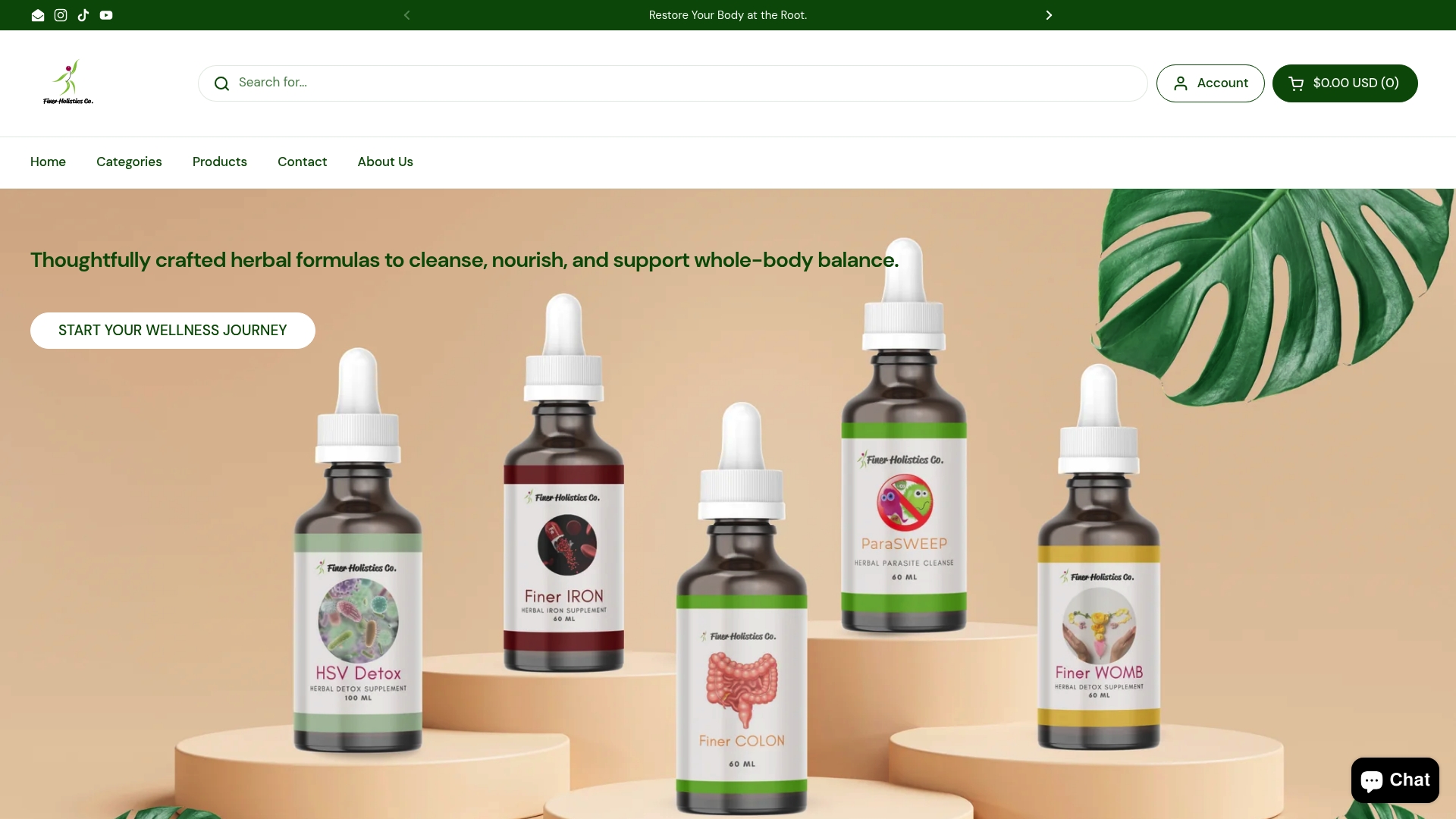
Our herbal digestion support tea combines time-tested herbs in precise ratios to promote comfortable digestion and gut health. When you’re ready to support your body’s natural detoxification processes, explore our complete range of herbal detox remedies formulated for gentle, effective cleansing. For respiratory wellness, our herbal lung detox tincture provides concentrated herbal support in a convenient format. Each product reflects our commitment to helping you naturally heal, detox, and nourish your body through the power of plants. Visit Finer Holistics to discover herbal solutions tailored to your holistic health goals.
What are the essential herbs to start with in a wellness routine?
Essential beginner herbs include chamomile for relaxation and digestion, ginger for inflammation relief, turmeric for antioxidant support, and peppermint for digestive health and mental clarity. Start with one or two herbs to observe how your body responds before expanding your routine. This focused approach helps you understand individual herb effects and builds confidence in preparation methods. Explore herbal teas guidance for detailed preparation techniques.
How long does it take to notice benefits from an herbal wellness routine?
Most people notice subtle improvements within 2 to 4 weeks of consistent herbal use, with more pronounced benefits developing over 2 to 3 months. Effects vary based on individual body chemistry, the specific herbs used, and the health concerns being addressed. Long-term benefits build as the routine becomes integrated into daily lifestyle and herbs reach therapeutic levels in your system. Patience and consistency are essential because herbs work gently with your body’s natural healing processes rather than forcing rapid changes.
Are there any risks or side effects I should watch for?
Some herbs can interact with medications, cause allergic reactions, or trigger digestive upset in sensitive individuals. Monitor for adverse reactions like skin rashes, persistent digestive issues, headaches, or worsening symptoms, and discontinue problematic herbs immediately. Consult healthcare professionals before starting herbs if you take prescription medications, manage chronic conditions, are pregnant or breastfeeding, or plan surgery. Review herbal wellness safety tips to ensure safe practice for yourself and your family.
Can I combine multiple herbs in one routine?
You can combine multiple herbs once you understand how individual herbs affect your body. Start with one or two herbs for several weeks to establish baseline responses, then gradually add complementary herbs that support similar wellness goals. Avoid taking too many herbs simultaneously at the beginning, as this makes it impossible to identify which herbs provide benefits or cause adverse reactions. Well-formulated herbal blends from reputable sources combine herbs synergistically for enhanced effects while maintaining safety.
Recommended
- How to detox naturally: safe steps for wellness in 2026
- How to detox naturally: safe steps for wellness in 2026 – Finer Holistics Co.
- How to nourish your body with herbal teas in 2026
- Herbal wellness for parents: natural remedies in 2026
- Sustainable wellness habits guide for lasting health in 2026 – EQUA - Sustainable Water Bottles
- How to Use Mushroom Supplements for Natural Wellness – LongevityBotanicals


Comments (0)
There are no comments for this article. Be the first one to leave a message!