

TL;DR:
- Handcrafted herbs are made in small batches with personal oversight, ensuring higher quality and safety than industrial products. They support holistic wellness through intentional formulation, immediate processing, and ethical harvesting, especially benefiting women managing hormonal and emotional health. Choosing handcrafted herbal remedies fosters a mindful relationship with health and offers more trustworthy, potent botanical support.
Not all herbal products are created equal, and once you understand why, you’ll never look at a mass-produced supplement the same way again. Walk through any health store and you’ll find shelves packed with herbal capsules, extracts, and powders that all promise similar results. But the way herbs are grown, harvested, processed, and formulated makes an enormous difference in what your body actually receives. Handcrafted herbs represent a fundamentally different approach to plant-based wellness, one rooted in intention, purity, and respect for the healing plant itself. This article breaks down exactly what sets handcrafted herbs apart, what the science says, and how you can put this knowledge to work for your health.
Table of Contents
- What are handcrafted herbs?
- Core benefits of handcrafted herbs for holistic wellness
- Quality and safety: how handcrafted herbs minimize risks
- Fact-check: potency and effectiveness, handcrafted vs. conventional herbs
- Practical ways to integrate handcrafted herbs into your routine
- A fresh perspective: what most wellness guides miss about handcrafted herbs
- Bring handcrafted herbal wellness into your life
- Frequently asked questions
Key Takeaways
| Point | Details |
|---|---|
| Handcrafted advantage | Handcrafted herbs are made using ethical harvesting and careful processing, leading to higher quality and safety. |
| Women’s wellness support | Herbs like clary sage can improve hormonal balance and emotional health, especially for women aged 25-45. |
| Potency is nuanced | Conventional herbs can sometimes be more potent, so holistic benefits matter as much as concentrations. |
| Safety through quality control | Batch tracking and immediate processing reduce risks of contamination in handcrafted products. |
| Practical integration | You can easily add handcrafted herbs to your routine with teas, baths, or culinary recipes for daily wellness. |
What are handcrafted herbs?
Before comparing handcrafted herbs to conventional options, let’s clarify what “handcrafted” means and why the process stands out.
Handcrafted herbs are plant-based remedies or preparations made in small batches, with direct human oversight at every stage of production. This is the opposite of large-scale industrial herbal manufacturing, where automation, extended supply chains, and cost-cutting measures are the norm. When herbs are handcrafted, a real person monitors the quality of each batch, from the moment the plant is sourced to the final product you open at home.
The small-batch approach matters more than it might seem. In large facilities, thousands of pounds of herbs may be processed together, making it nearly impossible to catch quality problems early. A single contaminated lot can compromise an entire run. With handcrafted methods, smaller batches mean faster detection, quicker corrections, and a much tighter loop of accountability between maker and product.
Key elements that define the handcrafted herbal process include:
- Ethical harvesting: Plants are gathered at the right time, often from organic or wildcrafted sources, with care for both plant health and environmental sustainability
- Immediate processing: Herbs are prepared shortly after harvest to preserve volatile compounds, active constituents, and natural potency
- Batch tracking: Every production run is documented, allowing for full traceability if questions about quality or safety arise
- Personal quality control: The maker inspects, smells, tastes, and evaluates each batch rather than relying solely on automated systems
- Intentional formulation: Herbs are often combined using traditional wisdom and modern knowledge, rather than selected purely for cost efficiency
Handcrafted processes emphasize ethical harvesting, immediate processing at peak ripeness, and quality control like batch tracking, which meaningfully reduces contamination risks compared to industrial methods. Understanding herbal safety best practices is important for anyone choosing plant-based remedies, and handcrafted products are typically designed with those practices built in from the start. If you want to better understand what goes into specific preparations, exploring herbal ingredients explained is a great foundation.
Core benefits of handcrafted herbs for holistic wellness
Now that you know what makes herbs “handcrafted,” let’s dig into the specific, science-backed benefits they provide for overall wellness, especially for women.
Women between the ages of 25 and 45 often navigate a complex mix of hormonal fluctuations, stress, digestive challenges, and emotional demands. Conventional wellness products tend to address these issues in isolation, with a pill for this and a tincture for that. Handcrafted herbal remedies, however, are designed to support the whole person rather than just a single symptom.
Aromatic herbs like clary sage support hormonal balance, menstrual comfort, and emotional well-being in a holistic way that resonates deeply with many women in this life stage. Clary sage, in particular, has long been used to ease cramps, reduce tension, and encourage emotional steadiness during hormonal shifts. Other herbs commonly used in handcrafted formulations for women’s wellness include:
- Raspberry leaf: Traditionally used to tone the uterus and ease menstrual discomfort
- Ashwagandha: An adaptogenic root that helps the body manage physical and emotional stress
- Nettle: Rich in minerals, it supports energy, iron levels, and overall vitality
- Lemon balm: A calming herb that supports a relaxed mood and healthy sleep
- Chamomile: Gentle and effective for digestive ease and nighttime wind-down routines
One of the most overlooked advantages of handcrafted herbs is how they encourage a mindful relationship with your health. When you brew a handcrafted herbal tea or apply a carefully made herbal oil, the ritual itself becomes part of the healing. This isn’t just romantic thinking; building consistent wellness rituals is known to support mental and emotional resilience over time. You can explore more on that topic through herbs for self-care and holistic healing tips.
“Wellness isn’t just about the compound in the capsule. It’s about how you engage with your health every single day.”
For those who want an immersive way to experience herbal benefits, herbal baths combine the therapeutic effects of plant compounds with the stress-relieving power of warm water and intentional self-care. Handcrafted bath herbs, when made with fresh, properly processed botanicals, deliver a richer sensory and therapeutic experience than generic store-bought blends.
Pro Tip: Start with one handcrafted herbal remedy at a time. Introducing multiple new herbs simultaneously makes it harder to notice what’s working and what isn’t. Give each herb two to four weeks before layering in another.
Quality and safety: how handcrafted herbs minimize risks
With the benefits clear, it’s equally important to see why handcrafted herbs are often considered safer and more reliable than alternatives.
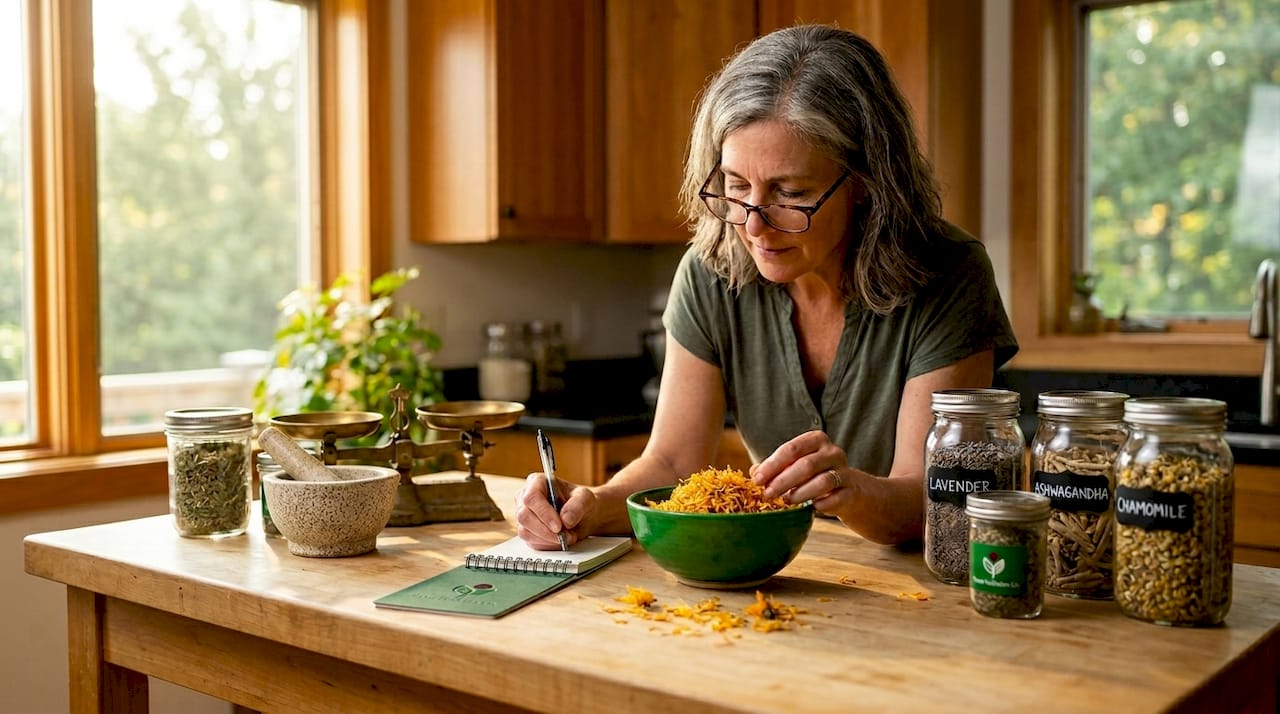
Conventional herbal supplements carry real risks that many consumers don’t know about. Industrial processing can introduce heavy metals, pesticide residues, mold, and even undisclosed adulterants. A 2015 study found that many store-bought herbal products contained plant species not listed on the label. High-volume manufacturing also means herbs may sit in warehouses for months before reaching you, losing potency as their volatile compounds degrade.
Handcrafted herbs address these risks through every stage of the process. Immediate processing at peak ripeness and batch tracking significantly reduce contamination risks, two practices that industrial manufacturers simply cannot prioritize at scale.
Here’s a direct comparison of quality and safety factors:
| Factor | Handcrafted herbs | Conventional supplements |
|---|---|---|
| Batch size | Small, manageable | Large-scale, industrial |
| Contamination detection | Fast, personal review | Delayed, system-dependent |
| Harvest timing | At peak ripeness | Standardized schedules |
| Processing speed | Immediate or near-immediate | Often delayed by supply chain |
| Traceability | Full batch documentation | Limited or inconsistent |
| Ethical sourcing | Central to the process | Variable, cost-driven |
| Freshness at purchase | High | Often lower after long storage |
Ethical harvesting does more than protect quality. It also ensures that plant populations aren’t over-harvested, that soil ecosystems remain healthy, and that the communities involved in farming or wildcrafting are treated fairly. When you choose a handcrafted herbal product from a brand that values ethical sourcing, you’re supporting a larger ecosystem of wellness, not just your own.
Before adding any new herbal product to your routine, use a simple herbal supplements checklist to evaluate what you’re purchasing and whether it meets quality standards worth your trust.
Pro Tip: When evaluating any herbal product, ask the brand directly about their harvesting practices and batch documentation. Reputable handcrafted producers will have clear answers. Silence or vague responses are a red flag.
Fact-check: potency and effectiveness, handcrafted vs. conventional herbs
To make an informed decision, let’s look clear-eyed at both the advantages and potential limits of handcrafted herbs compared to mass-produced options.
Potency, in herbal terms, refers to the concentration of active compounds in a plant preparation. Essential oils, flavonoids, alkaloids, and other plant-based constituents are what produce the therapeutic effects you’re looking for. Higher concentration doesn’t automatically mean better results, but understanding the science here helps you make smarter choices.
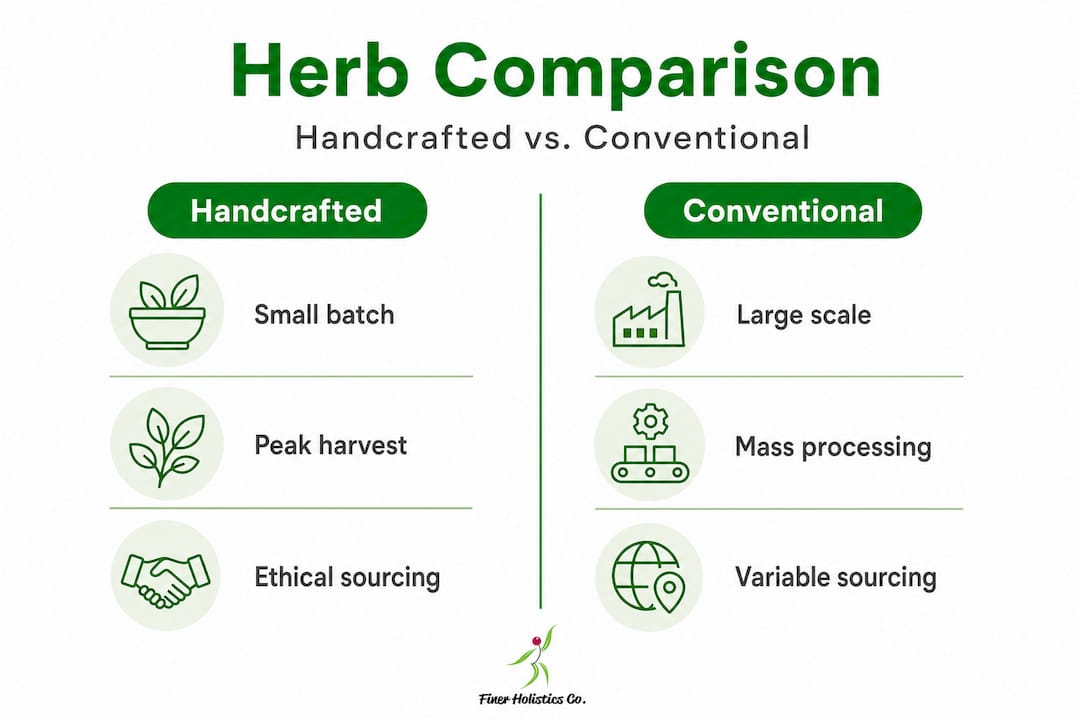
Here’s a nuance worth knowing: some studies show conventionally grown herbs can have higher essential oil concentrations due to tightly controlled growing environments that optimize for specific outputs. Conventional growers can manipulate light, soil inputs, irrigation, and temperature to push a plant toward maximum compound production. That sounds impressive. But there’s more to the story.
Why concentration isn’t the only thing that matters:
- Synergy: Many herbs contain dozens of active compounds that work together. Isolating or maximizing one compound can disrupt this natural balance, reducing overall effectiveness.
- Absorption: How your body absorbs an herb depends on how it was processed. Fresh, minimally processed herbs often have better bioavailability than extracts that have undergone heavy industrial treatment.
- Co-constituents: The “minor” compounds in a plant often help the “major” compounds work more effectively. Stripping them away in pursuit of higher concentration can backfire.
- Holistic impact: Wellness isn’t just biochemical. The sensory, emotional, and ritual dimensions of using a whole, handcrafted herb contribute meaningfully to outcomes.
| Comparison factor | Handcrafted herbs | Conventional herbs |
|---|---|---|
| Active compound concentration | Naturally occurring | May be higher due to controlled farming |
| Compound synergy | Preserved | Sometimes disrupted |
| Processing impact | Minimal | Can degrade co-constituents |
| Emotional and ritual value | High | Low |
| Traceability | Strong | Variable |
| Environmental footprint | Lower | Often higher |
Understanding herbal synergy and smart blends is one of the most empowering steps you can take in your herbal wellness journey. When herbs are blended with knowledge of how their compounds interact, the result is almost always greater than the sum of its parts. Handcrafted producers who understand botanical relationships create formulas that work with your body rather than simply delivering a chemical dose.
Key takeaway: Potency measured in a lab is one data point, not the whole picture. Handcrafted herbs may not always win on raw concentration numbers, but they consistently lead on synergy, freshness, traceability, and the kind of whole-body wellness support that women in this community are actually seeking.
Practical ways to integrate handcrafted herbs into your routine
With a clear understanding of what sets handcrafted herbs apart, it’s time to put this knowledge into practice and see how you can safely add them to your own wellness journey.
Getting started with handcrafted herbs doesn’t require a major lifestyle overhaul. Small, consistent steps lead to meaningful shifts over time. Here’s a practical approach:
-
Start with a single herbal tea. Choose a handcrafted blend designed for a specific goal, like digestion, relaxation, or hormonal support. Drink it consistently for two to four weeks and notice how your body responds.
-
Check for batch information. Before buying, look for a batch number, harvest date, or sourcing information on the label. Batch tracking and immediate processing practices are signs of a quality-focused producer.
-
Store herbs properly. Keep dried herbs in airtight glass containers away from heat and direct sunlight. Proper storage preserves potency and prevents mold or off-flavors from developing.
-
Try an herbal bath. Add a muslin bag of handcrafted dried herbs, like lavender, chamomile, or rose petals, to a warm bath. This is an accessible and luxurious way to experience botanical benefits beyond a cup of tea.
-
Explore tinctures for targeted support. A quality handcrafted tincture delivers concentrated herbal benefits in a few drops. They’re especially useful for adaptogenic herbs or those you want to use consistently over time.
-
Use culinary herbs intentionally. Rosemary, thyme, turmeric, and ginger are powerful herbs hiding in your kitchen. Using handcrafted culinary herb blends in your meals is an easy, delicious entry point into daily herbal wellness.
-
Review your holistic wellness goals. Use a structured holistic wellness checklist to align your herb choices with your broader health priorities. This keeps your approach focused rather than scattered.
The most important thing is consistency. Herbal wellness isn’t about dramatic, overnight results. It’s about building a foundation of daily, intentional nourishment that supports your body over weeks, months, and years.
A fresh perspective: what most wellness guides miss about handcrafted herbs
Here’s an uncomfortable truth about the wellness industry: a lot of the conversation around herbs reduces plants to their measurable parts. People debate milligram counts, extraction percentages, and standardized concentrations as if a plant is nothing more than a delivery system for a single chemical. That’s a loss.
Plants evolved over millions of years to develop complex, layered chemistry. That complexity is precisely what makes them such powerful allies in human health. When we handcraft herbs with respect for that complexity, we’re choosing a relationship with plants that industrial processing fundamentally cannot replicate. The maker’s knowledge, the timing of harvest, the care in drying and blending — these things carry real weight, even if they don’t show up on a supplement facts panel.
We’ve seen firsthand, through the work of herbalists and the feedback from this community, that women who switch to handcrafted herbal products often describe more than physical shifts. They talk about feeling more connected to their wellness routine, more attuned to their bodies, and more in control of their health journey. That’s not a placebo. That’s what happens when the process of caring for yourself becomes as intentional as the product you use.
Most wellness guides won’t tell you this because it’s harder to quantify than a compound percentage. But herbal self-care insights point to the same thing: how you engage with your wellness matters as much as what you consume. Handcrafted herbs invite that engagement. Mass-produced supplements, by design, do not.
The story behind an herb — who grew it, when it was harvested, how it was prepared — isn’t marketing fluff. It’s information about the quality and integrity of what you’re putting into your body. Value that story as much as you value the label.
Bring handcrafted herbal wellness into your life
Armed with new clarity and practical tips, you’re better equipped to find quality handcrafted herbs and bring holistic living to your wellness toolbox.
At Finer Holistics, every product is handcrafted by a holistic herbalist using carefully selected botanicals chosen for their traditional and evidence-informed benefits. We believe the process behind a product is inseparable from its quality, and that belief is reflected in everything we make.
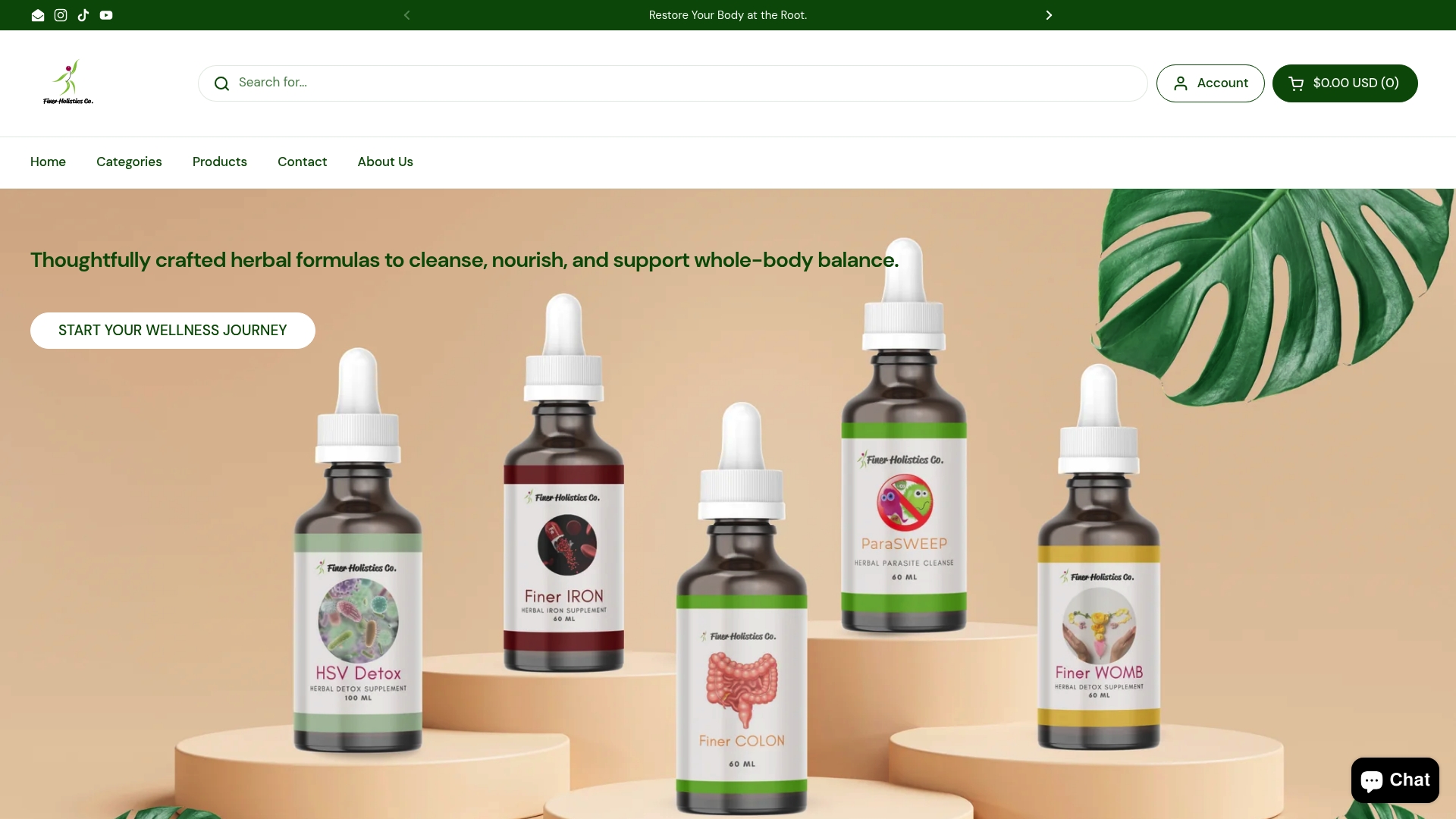
If you’re ready to experience the difference that handcrafted herbs can make, our herbal detox remedies are a powerful starting point. Whether you’re new to herbal wellness or looking to deepen an existing routine, the herbal detox starter pack gives you a thoughtfully curated introduction to what handcrafted botanical support can feel like. Your body knows the difference. Now you do too.
Frequently asked questions
Are handcrafted herbs safer than mass-produced herbs?
Handcrafted herbs are often safer because they prioritize ethical harvesting, immediate processing, and batch tracking practices that significantly reduce contamination risks compared to large-scale industrial methods.
Do handcrafted herbs always have higher potency?
Not always. Conventionally grown herbs can sometimes have higher essential oil concentrations due to controlled farming environments, though concentration alone doesn’t determine overall effectiveness or wellness value.
What handcrafted herbs are best for hormonal balance in women?
Aromatic herbs like clary sage are well-regarded for supporting hormonal balance, easing menstrual discomfort, and promoting emotional well-being, making them a popular choice for women aged 25 to 45.
How can I ensure the herbs I buy are truly handcrafted?
Look for batch numbers, harvest dates, sourcing details, and information about processing and traceability on the product label or brand website, and don’t hesitate to ask the producer directly.


Comments (0)
There are no comments for this article. Be the first one to leave a message!